

329 0 comments
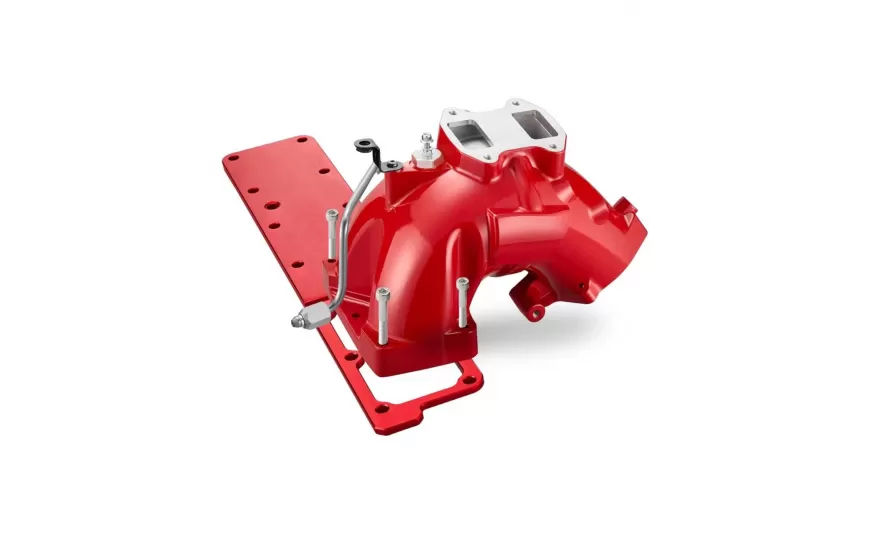
The intake manifold, also known as the intake port manifold, is responsible for guiding the air-fuel mixture to the correct cylinders for combustion, thus providing power to the engine. It also delivers coolant to the cylinders to reduce engine temperature and ensure normal engine operation.
How does the intake manifold work?
The intake manifold plays a crucial role in delivering the air-fuel mixture and controlling engine temperature, which is essential for the smooth and efficient operation of the engine. So how exactly does it work? Let's take a look.
Clean air is essential for combustion in the engine. First, the intake manifold draws air in from the vehicle's air filter. The air flows through the throttle body and mixes with fuel. Then, it guides the airflow through the intake ports to the cylinder heads. The intake manifold is designed to ensure that the air-fuel mixture is evenly distributed to each cylinder. Inside the cylinder, the air-fuel mixture is compressed and ignited by the spark plug, producing an explosion. The explosion pushes the piston downwards, generating power to drive the engine. In addition to the above, some intake manifolds also have coolant passages to help regulate engine temperature and prevent overheating.
What are the possible symptoms of an intake manifold leak?
Abnormal air-fuel ratio leading to backfire and unstable idling
Milky engine oil
Coolant leaking onto the ground when the vehicle is stationary
Frequent or rapid engine overheating
Increased fuel consumption
Decreased acceleration performance
Engine misfire
How much does it cost to repair an intake manifold at a repair shop?
While the cost of replacing an intake manifold varies depending on the car's brand and model, many estimates indicate that the part itself costs around $300, with the majority of the cost coming from labor and time. This cost can be much higher—up to $900—and for some models, it may not be worth the repair.
Routine Maintenance
Given the relatively high cost of replacing an intake manifold, routine maintenance is crucial. The intake manifold is secured to the top of the engine by an intake manifold gasket. Because the gasket is prone to cracking under high temperature and pressure, leading to coolant or engine oil leaks, its condition must be checked regularly.
Regularly check the manifold mounting bolts (such as during major maintenance). Vibration can loosen the bolts, causing uneven stress on the gaskets and potentially damaging them. Simultaneously, clean the intake system to prevent excessive carbon buildup from causing abnormal intake back pressure and reduce pulsating impacts on the gaskets. It's worth noting that for older vehicles (e.g., over 80,000 kilometers), it's recommended to check and preventatively replace the gaskets during throttle body cleaning or fuel injector maintenance.
If you want to inspect or replace your intake manifold but don't know where to start, no problem, feel free to contact us. OSIAS have a top-notch team to provide you with the service.

Latest
New
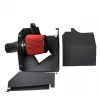
OSIAS BMW Cold Air Intake System
$240.00
New
New

New
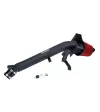
OSIAS AUDI A3 S3 Cold Air Intake
$140.00
New
New
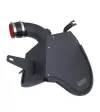
OSIAS BMW X3 X4 Cold Air Intake
$240.00
New
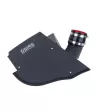
OSIAS BMW 540i Cold Air Intake
$185.00
New
New
OSIAS Audi A4 A5 Cold Air Intake
$160.00
Write a comment