

164 0 comments
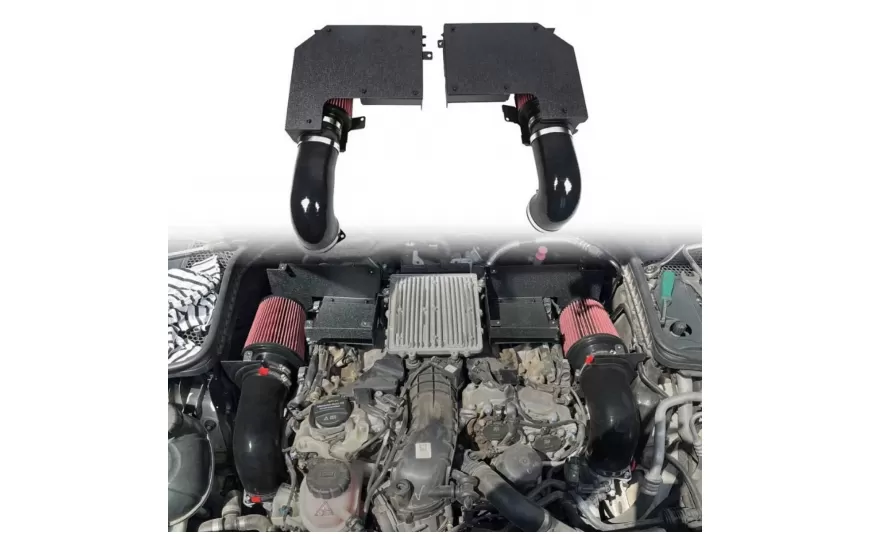
A cold air intake system is a car modification system that works by moving the engine's air intake away from the engine's heat source, specifically drawing in cooler outside air.
Core Function
By placing the air intake away from the engine compartment's heat source, it introduces cooler outside air. Utilizing the higher density and oxygen content of cold air, it improves engine combustion efficiency, typically resulting in a 5-20 horsepower increase. It also optimizes throttle response, and some high-quality products can slightly improve fuel economy. Many tuning enthusiasts also use it for a more refined exhaust note.
Cold Air Intake Installation Steps
Preparation
Prepare 7/8/11/13mm socket wrenches, a flathead screwdriver, and quick-release tools. Confirm that the kit is compatible with your vehicle model beforehand. Allow the vehicle to cool down completely, including turning off the engine, for 30 minutes to allow the engine compartment to cool completely, avoiding burns from hot parts during installation.
Original Parts Removal
Disconnect the intake air temperature sensor wiring harness connector. Be careful not to pull the harness forcefully; gently pull it out by holding the connector clips. Loosen the two metal clips connecting the intake manifold to the turbine end, and disconnect the coolant lines from the intake manifold, avoiding pulling to prevent leaks. Loosen the retaining clips on the top of the original airbox, and remove the original intake manifold, air filter, and airbox cover in sequence. Remove the plastic rivets securing the front flank of the original airbox, loosen the wiring harness on the back of the airbox, unscrew the screws connecting the airbox to the fenders, and completely remove the original airbox.
New Component Assembly and Alignment
1. Locate the original plastic tubing of the turbine intake on the driver's side and the valve cover vent pipe. Choose the removal method based on the color of the locking tabs: orange tabs can be removed with the assistance of a 5/8” quick-release tool; gray/blue tabs can be removed by simply pressing the tail.
2. Insert the new turbine vent pipe connector, ensuring the bevel direction is correct. The connector is properly seated when it cannot be rotated after installation.
3. Transfer the grommets and sleeves from the original airbox to the new airbox. Install the Christmas tree clip into the pre-drilled hole below the filter opening.
4. Push the new airbox into the original mounting grommets, secure it with the removed original screws, and then secure the front of the airbox with the plastic clips included with the kit.
Pipe and Filter Installation
1. Push the high-flow air filter into the new airbox until the filter clips are fully engaged and locked in place.
2. Remove the temperature sensor from the original intake pipe and transfer it to the corresponding connector on the new intake pipe. Ensure the sensor orientation is correct.
3. First, place the bellows coupling and reduction coupling onto the two turbine intake ports, but do not fully tighten the clips yet.
4. Connect the new intake pipe to the filter flange and the two couplings. After aligning the pipe positions, tighten all metal clips one by one. Reinsert the temperature sensor harness and secure the harness clamp to the pre-drilled hole in the air box.
Final Verification
Inspect the engine compartment to ensure all clips and screws are tightened and that the pipes do not interfere with surrounding high-temperature or moving parts. Start the vehicle and let it idle for 3 minutes, listening for any abnormal air leakage or hissing sounds in the intake system. Confirm that no engine fault codes are displayed on the instrument panel. Briefly test the throttle response by lightly pressing it to confirm normal throttle response. Installation is complete.
Common Installation & Usage Misconceptions
1. Inadequate Waterproofing: If the air filter is positioned too low and directly exposed, it may suck in water during rainy weather, causing engine hydraulic lock-up. If you frequently drive through flooded areas, it is recommended to install a bypass valve for protection.
2. Ignoring Factory Warranty: Unauthorized modifications to cold air intakes on some newer models may void the manufacturer's engine warranty. Always check the vehicle's warranty terms before installation.
3. Blindly Modifying Components: Avoid arbitrarily increasing the throttle body or excessively refining the intake manifold. Modern engine ECUs are highly precise; arbitrary modifications can disrupt the original power delivery logic, leading to abnormal operating conditions.
4. Neglecting Maintenance: High-flow air filters require regular cleaning and top-up with specialized oil. Neglecting cleaning will clog the filter, significantly reducing intake efficiency and resulting in more harm than good.

Latest
New
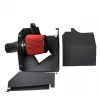
OSIAS BMW Cold Air Intake System
$240.00
New
New

New
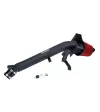
OSIAS AUDI A3 S3 Cold Air Intake
$140.00
New
New
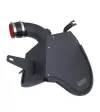
OSIAS BMW X3 X4 Cold Air Intake
$240.00
New
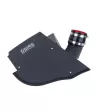
OSIAS BMW 540i Cold Air Intake
$185.00
New

New
OSIAS Audi A4 A5 Cold Air Intake
$160.00
Write a comment