

190 0 comments
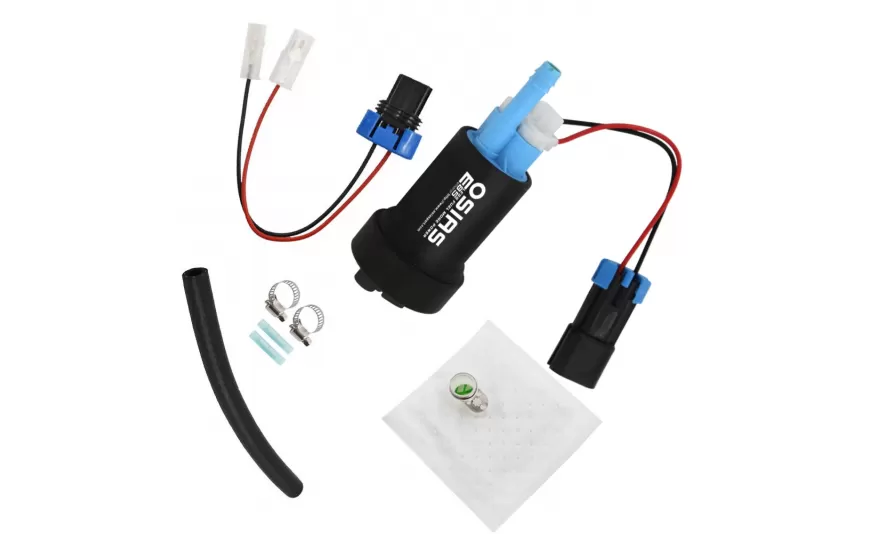
The in-tank fuel pump kit is the heart of modern fuel-injected engines. It's not just a pump; it's a sophisticated, modular component that integrates multiple functions.
Core Components
• Electric Fuel Pump: The main power source, responsible for pressurizing fuel to around 3-6 Bar and sending it to the injectors.
• Fuel Filter: The coarse screen blocks large particles, while the fine filter element traps micron-level contaminants.
• Pressure Regulator: Maintains consistent fuel rail pressure, with excess fuel returning directly to the tank.
• Fuel Level Sensor: Sends fuel level info to the dashboard through resistance changes.
• Reservoir and Housing: The reservoir ensures the pump inlet stays submerged even when cornering, climbing, or running low on fuel, preventing dry running.
The Smartness of the “Built-In” Design
• Noise and Heat Reduction: Fuel acts as both a coolant and a lubricant. The pump immersed in fuel quickly dissipates heat from operation, and the fuel also provides excellent sound insulation.
• Reduces Vapor Lock: Pumping fuel within the tank (positive pressure) is more effective than sucking it from outside the tank (negative pressure), preventing vapor lock from fuel heating up.
• Safety and Anti-Corrosion: Fewer external connections reduce the risk of fuel leaks and rusted interfaces after collisions.
Internal Leaks Caused by Fuel Additives
The fuel pump kit isn’t made entirely of rigid metal—many critical joints rely on rubber seals to maintain fuel pressure. Many low-quality or strong fuel additives are highly dissolvable and penetrative. These chemicals can react with the rubber seals inside the pump. Once the seal absorbs the additive, it swells abnormally and loses its elasticity. The swollen seal can no longer maintain a high-pressure seal due to displacement or weakened strength, causing fuel to leak back into the tank inside the module.
At this point, the motor runs normally, but fuel pressure doesn’t build. Many owners mistakenly think the pump is burned out, when in fact it’s just a cheap seal gone bad.
So what should you do in this situation?
Nowadays, most fuel pump assemblies are designed as integrated units, and manufacturers don’t sell the internal seals separately. Replacing the entire fuel pump assembly is the safest option, completely solving problems caused by additive damage such as brittle plastic housings and clogged filters.
It’s worth noting that if an additive is strong enough to ruin a seal, there’s likely some sticky residue from dissolved rubber in the fuel lines. It’s recommended to clean the injectors and replace the fuel filter when changing the pump to prevent leftover residue from clogging the precise injector nozzles.

Latest
New
OSIAS BMW Cold Air Intake System
$240.00
New
New
New
OSIAS AUDI A3 S3 Cold Air Intake
$140.00
New
New
OSIAS BMW X3 X4 Cold Air Intake
$240.00
New
OSIAS BMW 540i Cold Air Intake
$185.00
New
New
OSIAS Audi A4 A5 Cold Air Intake
$160.00
Write a comment