

128 0 comments
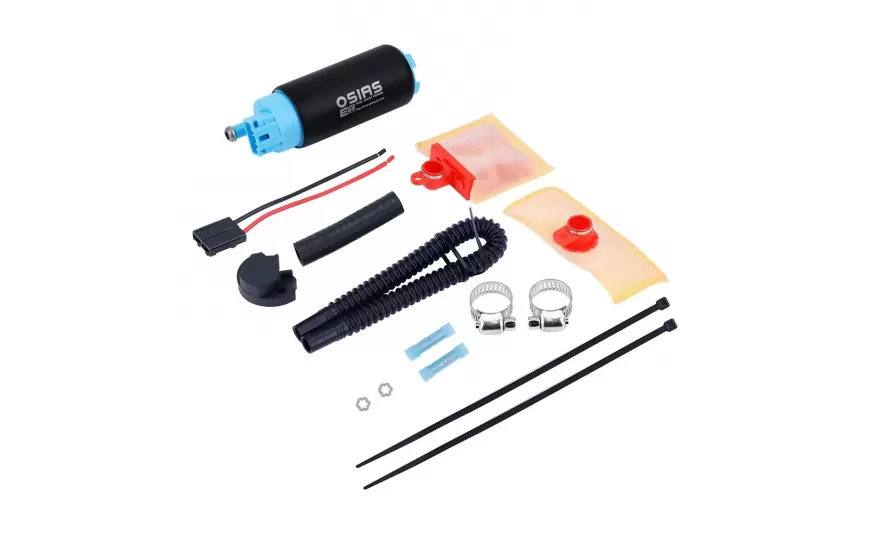
A fuel surge tank is a precise pressure-stabilizing device. By the deformation of the internal diaphragm and spring, it can absorb the hydraulic shocks caused by the rapid opening and closing of fuel injectors, ensuring constant rail pressure and reducing pipe noise.
Working Principle
When the fuel injection system is operating, two alternating physical phenomena occur inside the fuel chamber:
When the injector suddenly closes or the fuel pump pumps fuel instantly, the pressure in the line will rise sharply (creating pressure pulsation). At this time, the pressure in the fuel chamber is higher than in the buffer chamber, so the diaphragm is pushed upward by the excess fuel. The extra fuel is pressed into the buffer tank, and the surplus kinetic energy is converted into the potential energy of the spring or the internal energy of the air, preventing excessive pressure from damaging the seals.
When the injector opens to spray fuel, the pressure in the line drops instantly. At this time, the spring or high-pressure air in the buffer chamber rapidly pushes the diaphragm downward. Like a "backup reservoir," it immediately pushes the stored fuel back into the line, filling the gap in pressure and ensuring that the injector maintains a stable set pressure at all times.
The core principle for choosing the installation position of the fuel surge tank is: close to the point of demand, away from heat sources, and ensure safety.
It must be installed between the low-pressure fuel pump (Lift Pump) and the high-pressure fuel pump (HPFP). Physically, it should be as close as possible to the high-pressure pump, because the purpose of the buffer tank is to smooth out pressure pulses before entering the high-pressure pump. The shorter the line, the more direct the damping effect.
Since the buffer tank uses an air cushion or spring diaphragm at the top to absorb fluctuations, tilting installation can cause the air cushion to shift or the diaphragm to be unevenly stressed, losing the pressure-stabilizing effect. Therefore, the tank must be installed vertically.
Why Control the Installation Height of the Fuel Surge Tank
When installing the fuel surge tank, controlling its relative height to the injectors/high-pressure fuel pump is a key detail to prevent "hard hot starts" or "oil dilution." If the buffer tank is installed significantly higher than the injector or HPFP inlet, after the engine is turned off, the residual pressure and fuel stored in the tank can create a siphon effect due to gravity.
After shutdown, the compressed air in the buffer tank will continue to push fuel toward the end of the system. If the injector has slight wear from long-term use, the siphon pressure can force fuel to drip into the cylinders continuously. This can cause excessive oil buildup in the cylinder during the next start, making starting difficult; long-term dripping can also wash away the cylinder wall oil film, leading to oil dilution in the crankcase and accelerating engine wear.
Ideally, the centerline of the buffer tank should be level with the HPFP inlet. This way, after shutdown, the pressure in the lines can naturally balance, avoiding extra gravity head. Also, install a low-opening-pressure one-way check valve at the outlet of the buffer tank to ensure fuel only flows out under the pressure of the running pump and prevents backflow when idle.
OSIAS offer fuel surge tanks for internal fuel pumps, in setups with one and all the way up to Four fuel pumps at the same time and with the option to run them individually. Our bestseller is the DSF42 Fuel Surge Tank for a single or dual setup of internal DW400,AEM,Walbro fuel pumps, delivering steady flow even up to 1600hp through one single AN-10 fuel line. We offer solutions for many different fuel pump brands such as Deatschwerks, AEM, Bosch, Aeromotive,Ti Automotive, and Walbro.

Latest
New
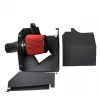
OSIAS BMW Cold Air Intake System
$240.00
New
New
New
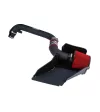
OSIAS AUDI A3 S3 Cold Air Intake
$140.00
New
New
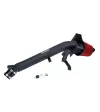
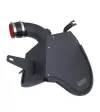
OSIAS BMW X3 X4 Cold Air Intake
$240.00
New
OSIAS BMW 540i Cold Air Intake
$185.00
New
New
OSIAS Audi A4 A5 Cold Air Intake
$160.00
Write a comment