

146 0 comments
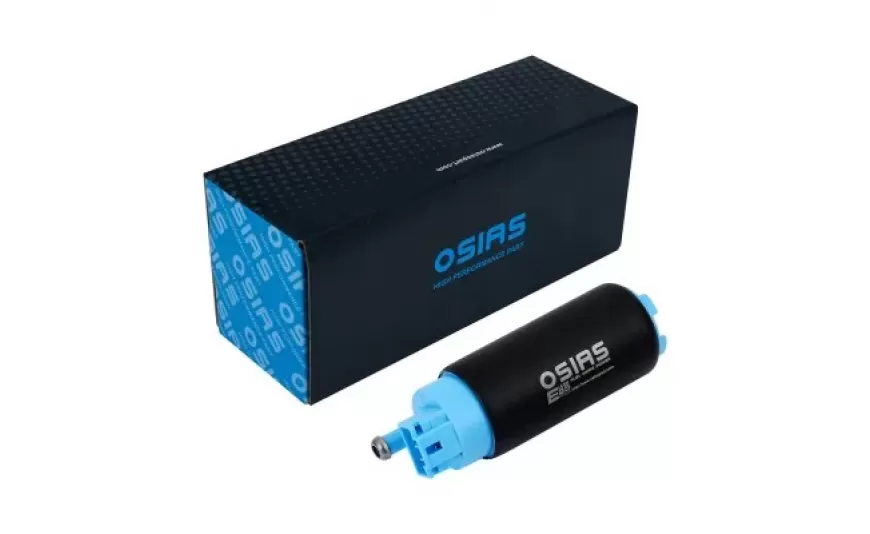
The High Flow Fuel Pump is an important component specially designed for high-performance vehicles, modified engines, and harsh operating conditions. Compared to standard fuel pumps, it can deliver fuel to the engine at higher pressure and greater flow to meet the increased fuel demand.
Why is the fuel pump so loud?
High-flow fuel pumps operate at very high speeds. If the suction side has too much resistance, a momentary low pressure will occur at the pump inlet. When the pressure drops below the fuel's vapor pressure, countless tiny bubbles form inside the fuel.
When these bubbles enter the high-pressure area (around the impeller edges), they implode instantly. The force generated by these micro-implosions can reach thousands of atmospheres, acting like countless tiny steel files that continuously erode the metal surfaces of the pump body and impeller. This is what we commonly refer to as cavitation.
Signs and risks
• Abnormal high-frequency noise: That buzzing or sharp friction sound is actually the physical resonance caused by countless bubbles bursting.
• Sudden drop in flow: The bubbles take up space that should be occupied by fuel, reducing the actual fuel supply.
• Metal fatigue: Continuous micro-explosions wear out the bearings and overheat the motor, eventually causing the pump to seize completely.
Solutions
• Lower the installation position: Make use of gravity as much as possible so that the fuel level is always higher than the pump inlet.
• Increase the suction pipe diameter: High-flow pumps must match a large intake filter; never use the factory narrow inlet.
• Prevent high fuel temperatures: Higher fuel temperatures make vaporization easier. Installing a fuel cooler or adding an auxiliary tank can significantly help.
How to Avoid Cavitation
To completely prevent cavitation from a physical standpoint, the core idea is to make sure the pressure at the pump inlet is always well above the fuel's vapor pressure.
Eliminate 'suction lift'
This is the most effective physical method. Stock fuel pumps usually 'suck' fuel from the bottom of the tank, which creates negative suction pressure. If possible, position an external high-flow pump below the level of the tank or auxiliary tank. This uses the static pressure from the weight of the liquid to counter suction resistance, keeping the pump inlet pressure positive and physically eliminating low-pressure areas where bubbles can form. Every extra 10 cm of suction line or a 90-degree bend doubles the resistance. The rule of thumb: the closer the pump is to the fuel source, the better; the suction line should be at least one size larger than the outlet line.
Gas management
Sometimes cavitation isn’t caused by vaporization but by air mixed into the fuel during return. Add deep baffles at the bottom of the tank and ensure the return line is under the fuel surface. If the return hits the surface like a waterfall, it creates lots of microbubbles. When these are sucked into a high-flow pump and collapse in high-pressure zones, they can cause cavitation. Place a small buffer space before the high-pressure pump to slow the fuel flow. By buoyancy, tiny bubbles rise and return to the main tank through vent/return ports at the top, ensuring the pump only gets pure liquid fuel.
Temperature control
The higher the fuel temperature, the higher its vapor pressure, making it easier to 'boil' and cause cavitation. In high-flow systems, excess fuel continuously cycles between the engine bay (hot zone) and the tank. Installing an air-cooled fuel cooler to keep the fuel below 40°C can significantly raise the threshold for vaporization. High-flow pumps draw a lot of current and generate heat themselves. Don’t mount the pump right against the exhaust or engine, and use rubber pads for vibration isolation and thermal insulation to prevent the pump from overheating and causing internal vaporization.

Latest
New
OSIAS BMW Cold Air Intake System
$240.00
New
New
New
OSIAS AUDI A3 S3 Cold Air Intake
$140.00
New
New
OSIAS BMW X3 X4 Cold Air Intake
$240.00
New
OSIAS BMW 540i Cold Air Intake
$185.00
New
New
OSIAS Audi A4 A5 Cold Air Intake
$160.00
Write a comment