

133 0 comments
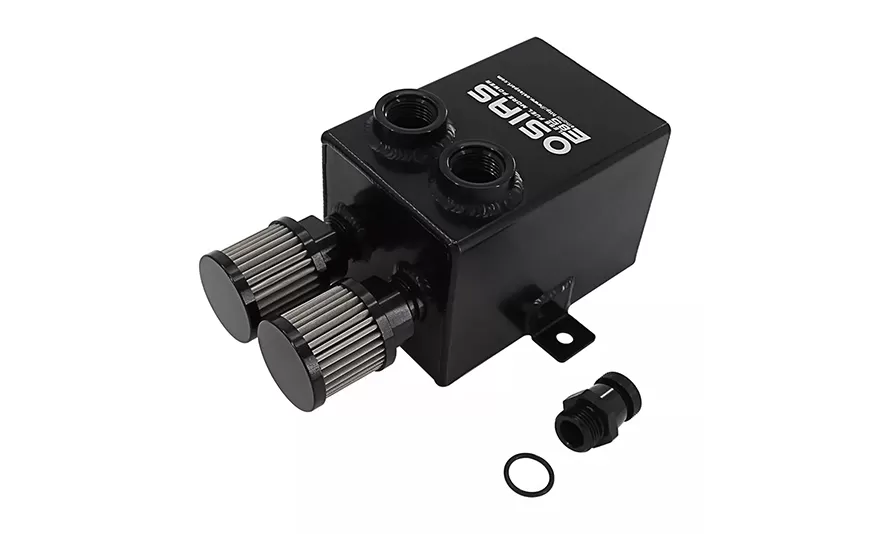
An oil catch can is an environmentally friendly and energy-saving device that uses activated carbon adsorption to recover volatile fuel vapors from the fuel tank and reintroduce them into the engine for combustion. Its main function is to collect and store gasoline vapors from the fuel tank, preventing them from being directly emitted into the atmosphere and causing pollution. When the engine starts, the system reintroduces the collected gasoline vapors into the cylinders for combustion, thus achieving the dual goals of saving fuel and protecting the environment.
Impact of a Clogged Oil Catch Can
As a core component of the vehicle's evaporative fuel absorption and combustion (EVAP) system, a clogged oil catch can directly interfere with the engine's air intake and the normal circulation of fuel vapors, causing various adverse effects on the vehicle.
Impaired Engine Operation and Performance
A clog can lead to an imbalance in the pressure inside the fuel tank, affecting the fuel system pressure. The vehicle may be difficult to start when cold, or it may stall easily after starting, frequently requiring a second start. The inability to properly circulate and recover fuel vapors can cause incomplete combustion at idle, resulting in fluctuating engine speeds (rhythmic "breathing") or vehicle vibration.
A clogged oil catch can prevent fresh air from entering, resulting in an excessively rich fuel mixture (too rich) with a high proportion of gasoline vapor in the engine's air-fuel ratio. This hinders power transmission, causing sluggish acceleration, weak power, and even noticeable jerking during acceleration.
Fuel Consumption and Reduced Economy
A clogged oil catch can prevents fuel vapor from being effectively recovered and fed into the cylinders for secondary combustion, resulting in wasted fuel. Drivers will notice a significant reduction in driving range and the need for more frequent refueling.
Abnormal Fuel Tank Pressure and Refueling Difficulties
A blockage obstructs the fuel line to the tank, causing excessive pressure inside the tank. Even at slow refueling speeds, this frequently triggers the fuel pump's overflow protection, causing the nozzle to shut off. The accumulated high-pressure gas inside the tank can cause it to bulge, potentially producing a "popping" sound, and in severe cases, leading to tank cracks and leaks.
Odor Leakage and Environmental Pollution
Fuel vapor cannot circulate properly and can easily leak from the oil catch can's vents or connecting pipes. When the air conditioning is on, a strong gasoline smell will be noticeable inside the car, and the smell will also be strong around the vehicle. A malfunctioning oil catch can cause untreated gasoline vapors to be released directly into the atmosphere, causing environmental pollution and resulting in excessive vehicle emissions, failing environmental testing.
Dashboard Malfunction Light Illuminated
If the vehicle's electronic control unit (ECU) detects an abnormality in the oil catch can or emission system, it will illuminate the "Check Engine" (engine malfunction light) on the dashboard, prompting the owner to have it checked promptly.
Daily Use and Precautions
- Do not overfill the gas tank: Overfilling the gas tank may cause liquid gasoline to flow into the oil catch can, causing the activated carbon to degrade, leading to problems such as difficulty starting or a strong gasoline smell inside the car.
- Pay attention to abnormal phenomena: If the vehicle experiences weak acceleration, fluctuating idle speed, a strong gasoline smell inside the car, or difficulty starting the engine, it may be related to a malfunction in the carbon canister or related solenoid valves.
- Normal abnormal noises: When the vehicle is not idling, an occasional "ticking" sound is usually heard, which is the sound of the carbon canister solenoid valve working properly and should not cause alarm.
- Regular inspection: It is recommended to inspect the oil catch can and pipeline regularly (e.g., every two years) to prevent excessive pressure in the oil tank due to blockage of activated carbon pores, which may even cause safety hazards.

Latest

New
OSIAS BMW Cold Air Intake System
$240.00
New

New
New
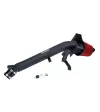
OSIAS AUDI A3 S3 Cold Air Intake
$140.00
New
New
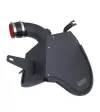
OSIAS BMW X3 X4 Cold Air Intake
$240.00
New
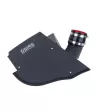
OSIAS BMW 540i Cold Air Intake
$185.00
New

New
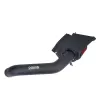
OSIAS Audi A4 A5 Cold Air Intake
$160.00
Write a comment