

121 0 comments
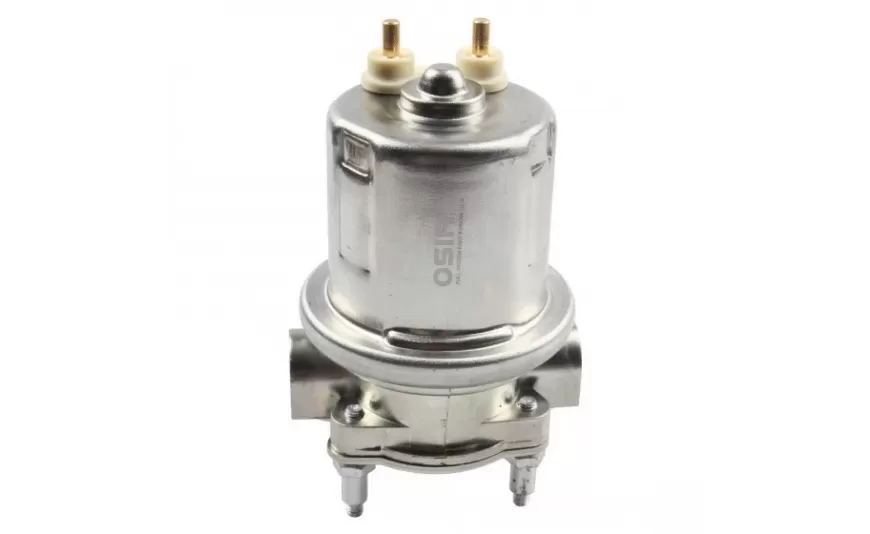
The fuel pump is a critical component of the entire fuel system. The inline electric fuel pump is one specific type of fuel pump.
Novices might wonder: how does it differ from a standard fuel pump? Let’s begin by looking at its working principle.
Working Principle of Inline Electric Fuel Pumps
An inline electric fuel pump is installed externally to the fuel tank. When the vehicle's electrical system supplies power to the pump, the internal mechanism spins at high speed, creating a vacuum. This suction draws fuel from the tank and delivers it to the fuel injectors or carburetor. The distributed fuel then mixes with air and combusts, generating power for the vehicle.
Advantages of Inline Electric Fuel Pumps
Because inline electric fuel pumps are mounted externally, processes such as installation, maintenance, inspection, and replacement are greatly simplified. In addition to their exceptional durability, a key advantage is their suitability for high-performance and modified vehicles; they can meet the demands for higher fuel flow rates and pressures. This is one of the reasons for their popularity.
Installation Considerations
We know that inline electric fuel pumps are installed outside the tank, but where exactly should they be placed? Installing the pump as close to the fuel tank as possible—and preferably below the fuel level—improves suction efficiency and reduces the load on the pump.
Proper electrical power is essential for operation. Reliable wiring and relays ensure a stable power supply, preventing voltage drops or power instability.
Installing appropriate fuel filters at the pump's inlet and outlet improves fuel quality, thereby protecting the pump and extending its service life.
As a professional automotive component manufacturer, OSIAS offers high-quality products and services. Please feel free to contact us at any time; our professional technical team is ready to assist you.

Latest
New
OSIAS BMW Cold Air Intake System
$240.00
New
New
New
OSIAS AUDI A3 S3 Cold Air Intake
$140.00
New
New
OSIAS BMW X3 X4 Cold Air Intake
$240.00
New
OSIAS BMW 540i Cold Air Intake
$185.00
New
New
OSIAS Audi A4 A5 Cold Air Intake
$160.00
Write a comment