
229 0 comments
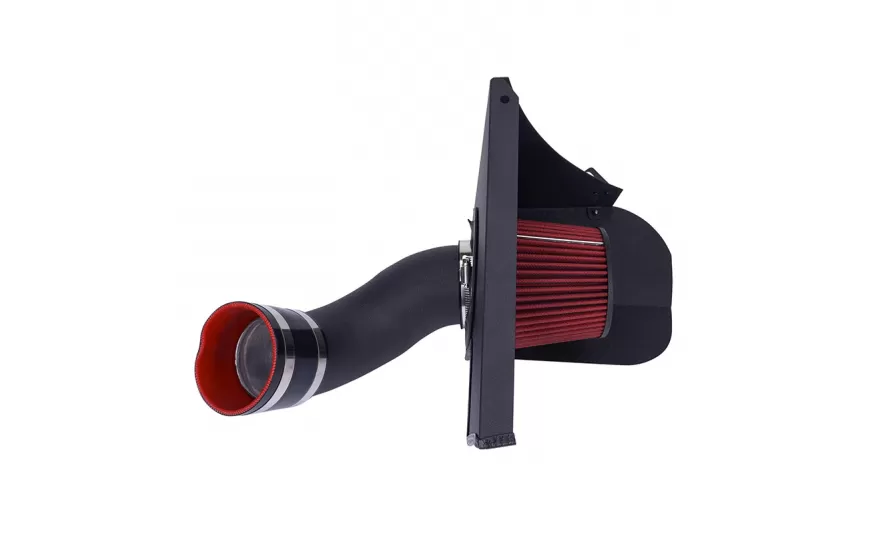
Cold air intake is one of the first upgrade kits truck owners install. It not only improves performance metrics such as horsepower, torque, and acceleration, but also improves engine sound, increases intake efficiency, and can save costs in the long run if reusable filters are used. Reading this, are you eager to install a cold air intake system? Hold on, let's first understand what cold air intake is.
We all know that the working principle of an internal combustion engine is to precisely control ignition timing and utilize the energy generated by the combustion of the air-fuel mixture in the cylinder to produce the kinetic energy needed to drive the engine. Airflow, like fuel and ignition, is a crucial component in the combustion process.
The Principle of Cold Air Intake in Improving Engine Power
To obtain greater power, increasing the amount of air entering the engine is crucial. Cold air intake utilizes components such as a large-diameter curved intake manifold, an oversized air filter, a sealed air filter box, and deflectors to overcome the limitations of the intake manifold, allowing more air to enter the cylinders, thereby indirectly providing more kinetic energy to the engine. In most cases, dynamometer tests show that modifying the intake system can increase horsepower by 5 to 15.
Benefits of Installing a Cold Air Intake
Enhanced Driving Experience
Cold air is denser, and with proper ECU tuning, it can inject more fuel, thus increasing power output and throttle response at high RPMs. If a turbocharger is installed or boost pressure is increased, intake air temperature rises dramatically. In this case, upgrading the cold air intake and intercooler is crucial to ensuring power output and engine safety. Most cold air intakes can increase horsepower by 5 to 15 and provide stronger acceleration, resulting in a more enjoyable and sporty driving experience.
Delivering an Ultimate Auditory Feast
One of the most significant advantages of an intake system is its impact on engine sound. Cold air intakes typically employ open or semi-open designs; larger air filters and larger diameter intake pipes produce a noticeable and deep roar from the engine compartment during acceleration, especially when used in conjunction with a modified exhaust system.
Improving Fuel Economy
Increasing intake air volume can also improve fuel efficiency; some manufacturers report improvements of 1-2 mpg.
Of course, not all high-quality modifications work for all vehicles. This largely depends on the owner's driving conditions and needs.
- Modifying the intake system often reduces airflow speed at low RPMs, resulting in sluggish acceleration and loss of low-end torque.
- Cold air intakes are typically positioned low, making them prone to water ingress, especially in flooded areas after heavy rain.
- In extremely low temperatures, excessively cold air slows engine warm-up and increases fuel consumption.
- Major modifications to the intake system may cause the vehicle to fail its annual inspection.
Of course, if you are hesitant about installing a cold air intake, we recommend contacting us. OSIAS has professional technicians who may be able to assist you, and our high-quality cold air intakes will not disappoint you.

Latest
New
OSIAS BMW Cold Air Intake System
$240.00
New

New

New
OSIAS AUDI A3 S3 Cold Air Intake
$140.00
New
New
OSIAS BMW X3 X4 Cold Air Intake
$240.00
New
OSIAS BMW 540i Cold Air Intake
$185.00
New
New
OSIAS Audi A4 A5 Cold Air Intake
$160.00
Write a comment