

130 0 comments
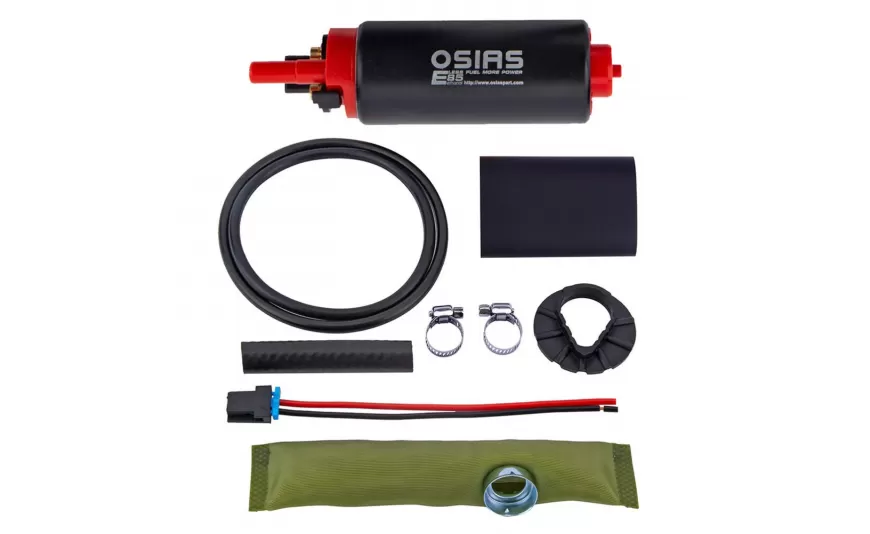
Fuel pump failure for the second time is usually not due to the quality of the new part, but rather caused by installation conditions or complications in the supporting system.
Root Causes of Secondary Damage
Physical Damage
Critical hits from debris at the bottom: When you remove the old pump, the sediments at the bottom of the tank (metal shavings, gum, sand) get disturbed. During the first power-on of the new pump, the suction is very strong, and if the tank isn’t cleaned, these impurities can be sucked straight into the new pump’s filter. Fine particles passing through the filter can damage the pump’s precise impeller or plunger; larger debris can cause a sudden spike in pumping resistance, rapidly raising motor current, which leads to overheating and burning of the motor winding.
Electrical Wear
‘False contacts’ in connectors: When the old pump fails, it’s often accompanied by a high-current surge, causing carbon buildup or metal softening (loss of elasticity) inside the original wiring harness plug. If you replace just the pump and not the plug, excessive contact resistance can result in voltage drops. The new pump will run under low voltage, turning slowly and overheating, creating a vicious cycle.
Hydraulic Load
Blocked external circulation: If an external fuel filter is partially clogged, the new pump has to work under extremely high load to maintain fuel rail pressure. This prolonged 'overload running' significantly shortens the brush life.
Solutions for Secondary Damage
Step 1
After removing the assembly, drain the remaining fuel. Wipe the bottom of the tank with a professional non-woven or silk cloth (never a fuzzy towel). If fine metal shavings are found, check if the fuel cap is sealing properly or if the refueling pipe is rusted.
Step 2
Inspect the wiring terminal pins; if there’s green copper corrosion or blackening, they must be cut and replaced. Measure the pump’s voltage at startup with a multimeter; the voltage drop should not exceed 0.5V. It’s recommended to replace the fuel pump relay at the same time to prevent contact sticking or burning.
Step 3
New pumps generate more heat during the break-in period. Filling the tank allows the entire pump assembly to be fully submerged in cool fuel. This 'immersion cooling' quickly dissipates the heat generated during initial startup, preventing localized overheating that can weaken the insulation of the pump’s winding.
It’s recommended to fill the tank immediately after replacing the pump and toggle the ignition 3-5 times (without starting the engine) to allow the pump to prime and build pressure.
If you want to buy a high-quality fuel pump, feel free to contact us. OSIAS looks forward to your visit.

Latest
New
OSIAS BMW Cold Air Intake System
$240.00
New
New
New
OSIAS AUDI A3 S3 Cold Air Intake
$140.00
New
New
OSIAS BMW X3 X4 Cold Air Intake
$240.00
New
OSIAS BMW 540i Cold Air Intake
$185.00
New
New
OSIAS Audi A4 A5 Cold Air Intake
$160.00
Write a comment