

420 0 comments
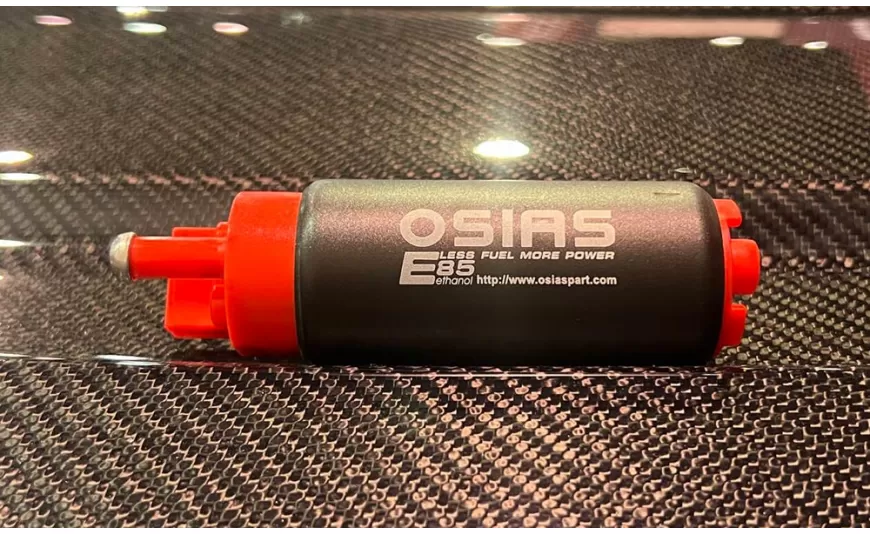
Have you ever experienced this: your newly purchased fuel pump breaks down before you even use it, or even stops working immediately after installation? You spent a lot of money on a high-quality fuel pump. After returning the pump, testing revealed no problem, and the seller still insisted it was working properly. So, is the seller really lying? Let's explore this question together.
The fuel system is a simple yet complex system; "a change in one part affects the whole." When your car has been used for a long time, the internal fuel system has aged. For example, the filter might be clogged, or the fuel buffer might not be working. Even if you replace the fuel pump, it won't work because the root cause of the problem hasn't been found. Let's look at how damage to other components affects the fuel pump:
Fuel Pump Strainer
A clogged fuel pump strainer can lead to insufficient fuel supply. However, the fuel pump, operating at high temperatures, urgently needs fuel to cool down. A small amount of fuel is insufficient to dissipate the heat generated by the pump. This prevents the heat from dissipating quickly, causing the temperature to rise and reducing the efficiency of the fuel pump motor. To meet fuel supply demands, the motor needs to output even more power, creating a vicious cycle that further damages the fuel pump.
Fuel Surge Tank
The primary function of the fuel surge tank is to stabilize the pressure in the fuel system. When the fuel pump is running, its outlet pressure changes with the pump's operating cycle. If the fuel buffer can fails, pressure fluctuations will be directly transmitted to the entire fuel system, subjecting the fuel pump to significant pressure shocks, which will eventually shorten its lifespan. Additionally, the Fuel Surge Tank regulate fuel quantity; if it malfunctions, the fuel pump may be unable to meet the engine's fuel needs promptly and stably, leading to unstable engine operation.
Fuel Injectors
Damaged fuel injectors prevent the engine from receiving sufficient and properly injected fuel. To ensure normal engine operation, the fuel pump will continuously increase its workload, operating under high load for extended periods, which accelerates the wear and tear on internal parts and shortens its lifespan.
Fuel Quality
Sometimes, when our vehicles are in operation, it may be inconvenient to go to a gas station to refuel, so we buy a can of fuel as a backup or obtain it from a supplier. In this case, the quality of the fuel we receive cannot be guaranteed. Tiny particulate impurities in the fuel, once they enter the fuel pump, will continuously wear down its internal components, affecting the vehicle's normal fuel supply.
In summary
A fuel pump not functioning optimally doesn't necessarily mean the pump itself is faulty; it could be a problem with another component in the fuel system. Therefore, if a newly purchased fuel pump is not working, carefully check the fuel system; you might discover something else wrong. Of course, if you encounter any difficulties during this process, please feel free to contact us; OSIAS will promptly answer your questions.

Latest
New
OSIAS BMW Cold Air Intake System
$240.00
New
New
New
OSIAS AUDI A3 S3 Cold Air Intake
$140.00
New
New
OSIAS BMW X3 X4 Cold Air Intake
$240.00
New
OSIAS BMW 540i Cold Air Intake
$185.00
New
New
OSIAS Audi A4 A5 Cold Air Intake
$160.00
Write a comment