

361 0 comments
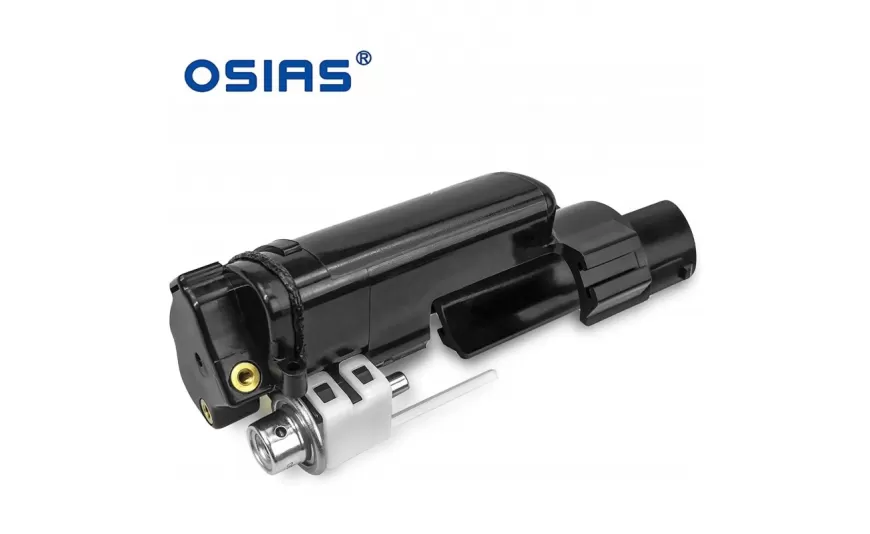
Keeping your car's fluids clean is crucial, especially fuel. Dirty fuel can cause engine problems, potentially leading to expensive repairs. Regular maintenance and replacement of the fuel filter, which plays a vital role in fuel cleanliness, is essential.
Before understanding fuel filter maintenance and replacement, let's first understand how a fuel filter works.
How a Fuel Filter Works
Gasoline at gas stations is stored in underground tanks, where rust, particulate matter, and other impurities can accumulate. When you fill your vehicle with gasoline, these impurities also enter the fuel tank. This is where the fuel filter comes in. The fuel filter is connected in series between the fuel pump and the fuel injectors. As fuel enters the filter under pressure, heavier water and solid impurities settle at the bottom of the filter due to gravity. The filter element inside uses a daisy-tailed pleat (increasing the filtration area) or a spiral structure to trap the remaining impurities in the fuel.
What Causes a Fuel Filter to Clog?
Like other filters in a vehicle, fuel filters accumulate and retain particulate matter filtered from gasoline over time. These particles eventually clog the filter, affecting its filtering effectiveness.
When to Replace the Fuel Filter?
The maintenance interval for fuel filters varies depending on the vehicle's brand, model, and year. Some vehicles may require replacement every 20,000 miles, while others may have fuel filters that can last up to 150,000 miles. If you own a newer vehicle, you may even have a lifetime fuel filter that requires no regular maintenance or replacement.
Signs that Your Fuel Filter Needs Replacement
1. Difficulty Starting
If you notice that starting the engine takes longer than usual when you turn the ignition switch, and you can't find a reason, it may be due to a clogged fuel filter. A clogged fuel filter restricts fuel flow, making it difficult for the engine to start if it doesn't receive enough fuel.
2. Sluggish Acceleration
If your car usually accelerates normally, but suddenly starts to accelerate with difficulty, especially uphill or under heavy load, this could be a sign that the fuel filter is starting to clog.
3. Difficult Idling
During acceleration, a dirty fuel filter restricts fuel flow, causing the engine to struggle to obtain the fuel needed for increased power and speed, resulting in difficulty accelerating.
4. Unstable Idling
As you know, a dirty filter restricts the amount of fuel entering the engine. If you experience unstable idling, most vehicles will vibrate to some extent when stationary. However, if the vibration is more severe or there is jerking during acceleration, it may indicate a clogged fuel filter.
5. Engine Stalling
When the fuel filter is severely clogged, insufficient fuel supply can cause the engine to stall completely. If your car frequently stalls, especially at idle, you should have the fuel filter checked.
6. Increased Fuel Consumption
If you find that your car is consuming more fuel despite driving with the same habits and for similar distances, this could be due to a clogged fuel filter. An engine with a clogged fuel filter will consume more fuel than usual to maintain performance. A clogged fuel filter is only one reason for increased fuel consumption, so it is recommended that you have it diagnosed at a professional repair shop.
7. Strong Gasoline Smell
In some cases, a clogged fuel filter can cause unburned fuel to leak through the exhaust system, filling the cabin with a gasoline smell. However, this isn't always accurate, as a strong gasoline smell could also indicate other problems, such as fuel leaks or fuel injector malfunctions. Therefore, if you smell a strong gasoline odor, have it checked by a professional promptly.
8. Fuel Pump Noise
The fuel pump's function is to maintain normal pressure in the fuel lines. When the fuel filter is clogged, the fuel pump needs to work harder to deliver fuel. This extra work can cause the fuel pump to make unusual noises, which may be heard inside the car.
9. Engine Malfunction Indicator Light Illuminated
Due to fuel having difficulty flowing through a clogged filter, fuel pressure can become too low. Low fuel pressure may eventually trigger the engine malfunction indicator light.
These are the symptoms of a malfunctioning fuel filter. If your vehicle exhibits these characteristics, please contact a professional immediately to avoid future repair costs. Of course, you can also contact us directly; the OSIAS technical team is always ready to assist you.

Latest
New
OSIAS BMW Cold Air Intake System
$240.00
New
New
New
OSIAS AUDI A3 S3 Cold Air Intake
$140.00
New
New
OSIAS BMW X3 X4 Cold Air Intake
$240.00
New
OSIAS BMW 540i Cold Air Intake
$185.00
New
New
OSIAS Audi A4 A5 Cold Air Intake
$160.00
Write a comment